Votre événement est unique. Votre organisateur doit l’être aussi ! Vous avez fait des recherches et vous savez ce que vos invités veulent, mais il est maintenant temps de trouver un traiteur qui peut répondre à toutes vos attentes. C’est pourquoi nous nous adaptons à votre budget.
Vous cherchez un organisateur d’événements à Paris ?
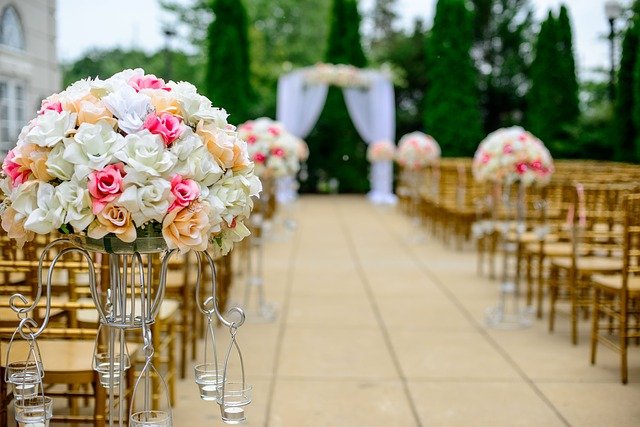
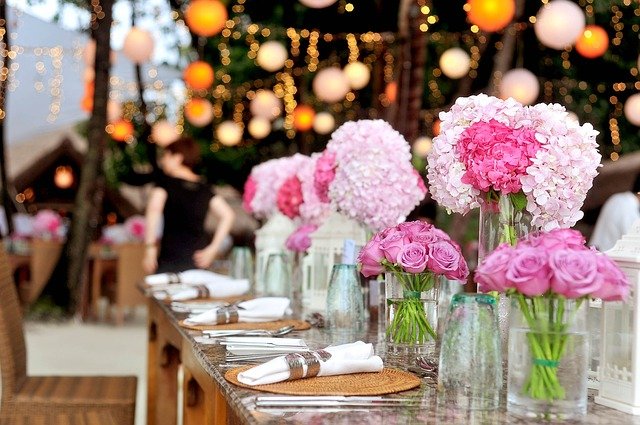
Vous avez une idée de la décoration mais vous ne pouvez pas la faire seul par manque de temps ou de compétences. Les Papillons trouveront la solution idéale pour décorer votre salle de réunion, votre cocktail, votre stand d’exposition ou votre réception de mariage
Les Papillons, c’est une équipe de professionnels qui conçoivent des événements depuis plus de 25 ans
Nous pouvons concevoir votre prochain événement de A à Z, avec une gamme complète de services. Nous disposons d’un large choix d’idées de décoration à thème et nous serons heureux de trouver la solution parfaite pour vous.
Organisateur de soirée d’entreprise à thème
Chez Les Papillons, nous comprenons que chaque client a ses propres besoins et préférences en matière de décoration pour son événement spécial.
Alors que certains clients ne veulent que l’essentiel (c’est-à-dire des amuse-gueules et des entrées), d’autres peuvent vouloir un menu élaboré avec des menus personnalisés créés par notre chef interne – le choix est le vôtre.
Soyez assurés que, quel que soit le niveau de service que vous choisissez nous vous accompagnerons à chaque étape, de la planification et de la budgétisation à la décoration de votre lieu de réception.
En plus de la décoration, avec une gamme complète de locations, notamment des tables et des chaises, de la porcelaine et de l’argenterie, ainsi que de magnifiques décors de table Les Papillon est également une entreprise qui propose la restauration
Trouver le lieu pour votre événement
Vous pouvez regarder le site de notre partenaire Carmin qui référence des milliers de lieux d’événements pour organiser une soirée, un séminaire ou tout type de réunions professionnelles
Notre équipe est à votre disposition pour vous aider à trouver un thème pour votre événement et l’organiser de A à Z. Nous pouvons également nous occuper de la décoration, qui sera parfaitement en phase avec le concept choisi
Vous n’avez pas d’autre source ? Vous souhaitez plus d’informations sur nos services en tant qu’organisateur d’événements à thème en région parisienne ?
Nos menus pour les dîners assis
Nos menus comprennent des entrées, des plats, des desserts et des hors-d’œuvre.
Nous avons également une variété de buffets à choisir qui comprennent tout ce qui est énuméré ci-dessus plus des légumes et des plats d’accompagnement ou des cours de soupe et de salade.


Service de plateaux repas et buffet à volonté pour les salons professionnels
Le service de plateaux est un excellent moyen de servir vos invités lors de salons professionnels ou d’autres événements. Avec le service de plateaux, vous pouvez proposer des produits pour le petit-déjeuner comme des pâtisseries et des yaourts, des entrées pour le déjeuner comme des sandwichs, des amuse-gueules pour le dîner comme des rouleaux de sushi et des desserts pour le goûter de fin de journée.
Les buffets à volonté permettent de laisser une autonomie à vos collaborateurs lors de votre événement.
Nous disposons également d’une vaste carte de bar qui comprend des cocktails traditionnels ainsi que des boissons modernes plus populaires aujourd’hui (par exemple, des margaritas). Nous nous adaptons à tous les budgets afin de réduire les coûts tout en offrant une nourriture de haute qualité pour chaque événement, du petit déjeuner au congrès de grande envergure à Paris. De plus, nos barmans sont également des serveurs qualifiés qui prennent les commandes de boissons lorsque les clients ne souhaitent pas un service à table complet.